Weed Control Basics for DFW Lawns: Effective Strategies for Dallas, Fort Worth & North Texas
- Green Alliance Landscaping
- 4 days ago
- 4 min read
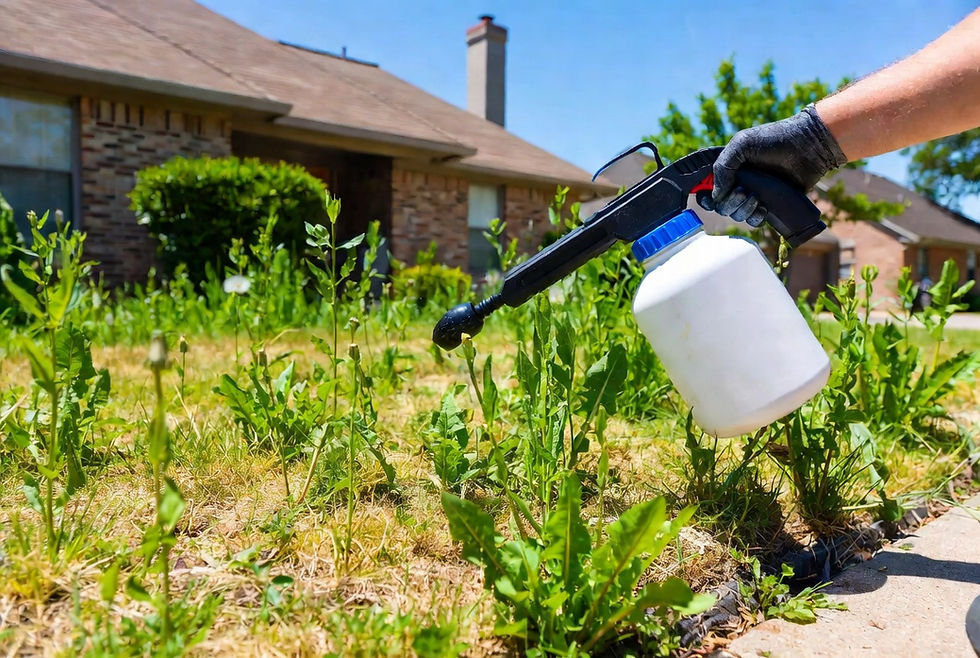
Weeds are one of the most common frustrations for homeowners trying to maintain a beautiful lawn in the Dallas-Fort Worth area. In North Texas, with its warm, humid summers, heavy clay soils, and occasional winter mild spells, opportunistic weeds like crabgrass, dallisgrass, nutsedge, and broadleaf invaders can quickly overtake thin or stressed turf.
Learning weed control basics is an essential part of lawn care and maintenance that helps your grass stay thick, healthy, and attractive year-round.
This guide provides practical, beginner-friendly advice tailored to DFW conditions. Whether you live in a newer subdivision in Tarrant County, an older neighborhood in Dallas, or anywhere across the metroplex, these strategies will help you prevent and manage weeds effectively while building long-term lawn resilience.
Why Weeds Thrive in North Texas Lawns
DFW’s climate and soil create ideal conditions for weeds:
Warm temperatures and inconsistent rainfall favor fast-germinating summer annuals like crabgrass
Compacted clay soils and thatch layers give weeds an advantage over struggling grass
Thin or scalped lawns from improper mowing allow sunlight to reach weed seeds
Mild winters sometimes allow cool-season weeds to persist
The best weed control is a thick, vigorous lawn—the “cultural” approach—combined with targeted interventions when needed.
Cultural Weed Prevention: The Foundation
The most effective and environmentally friendly way to control weeds in DFW is to grow grass so dense that weeds have no room to grow:
Mow at the proper height (never scalp) to shade the soil surface
Water deeply and infrequently to encourage deep grass roots
Fertilize according to soil test results and grass needs
Aerate compacted areas and topdress with compost annually
Overseed thin spots in early fall with the appropriate grass type
A healthy lawn naturally crowds out most weeds. Many North Texas homeowners see dramatic weed reduction simply by improving these basic practices.
Identifying Common DFW Weeds
Learn to recognize the invaders you’re likely to encounter:
Crabgrass: Low-growing, light green, spreads by seed. Appears in thin areas during late spring/summer.
Dallisgrass: Tough, clumpy perennial with tall seed heads. Very common and persistent in DFW clay soils.
Nutsedge (Nutgrass): Bright green, triangular stems that grow faster than grass. Thrives in wet or compacted spots.
Broadleaf weeds: Dandelions, clover, henbit, chickweed—easy to spot with wide leaves.
Poa annua: Cool-season winter annual that shows up in thinner lawns during cooler months.
Accurate identification helps you choose the right control method.
Pre-Emergent Herbicides for DFW Lawns
Pre-emergents create a barrier that prevents weed seeds from germinating. They are highly effective against crabgrass and other summer annuals when timed correctly:
Apply in early spring (typically mid-February to mid-March in North Texas) when soil temperatures reach about 55°F for several days. Use a calendar or local extension service timing.
A second application may be needed in late summer/early fall for winter weeds.
Use products containing prodiamine or dithiopyr for crabgrass prevention.
Always follow label rates and water in lightly after application.
Note: Pre-emergents can also prevent desirable grass seed from germinating, so plan overseeding accordingly.
Post-Emergent Weed Control
When weeds are already visible, post-emergent herbicides target them directly:
Selective broadleaf herbicides: Products containing 2,4-D, dicamba, or MCPP work well on dandelions, clover, and henbit without harming most warm-season grasses.
Crabgrass killers: MSMA or quinclorac-based products for emerged crabgrass (use carefully on St. Augustine).
Nutsedge control: Specific products like halosulfuron or sulfentrazone are most effective.
Spot treatment: Use a pump sprayer for precision to minimize impact on desirable grass.
Always read and follow label instructions carefully, especially regarding temperature restrictions and grass tolerance in our hot DFW summers.
Organic and Natural Weed Control Options
For homeowners who prefer to avoid synthetic chemicals:
Hand-pulling or digging (best for isolated weeds after rain when soil is soft)
Corn gluten meal as a natural pre-emergent (apply in early spring)
Vinegar-based or horticultural soap sprays for young broadleaf weeds
Maintaining thicker turf through cultural practices (the most sustainable long-term solution)
Organic methods work best when combined with strong cultural practices.
Integrated Weed Management Calendar for North Texas
Late Winter/Early Spring: Apply pre-emergent for summer weeds; control cool-season broadleaves if needed.
Spring/Summer: Spot-treat emerged weeds; maintain proper mowing and watering to thicken grass.
Fall: Apply pre-emergent for winter weeds; aerate and overseed thin areas.
Year-round: Remove weeds before they go to seed and improve overall lawn health.
Common Weed Control Mistakes in DFW
Applying pre-emergent too late (after crabgrass has already germinated)
Using “weed and feed” products indiscriminately without addressing underlying issues
Overwatering or scalping the lawn, which encourages weed growth
Ignoring soil compaction and thatch
Expecting instant results—thick turf takes consistent effort over seasons
Safety and Environmental Considerations
Keep people and pets off treated areas until dry (usually 24–48 hours)
Avoid spraying on windy days or when temperatures exceed 85–90°F to prevent drift and damage
Follow local regulations regarding herbicide use near waterways
Consider spot treatment over broadcast applications to reduce chemical use
With patience and consistency, most DFW homeowners can achieve excellent weed control while minimizing chemical reliance.
Weed management is an ongoing part of lawn care basics, but it becomes much easier once your grass is healthy and dense. As you progress through our series on Lawn Care & Maintenance Basics, you’ll see how proper mowing, watering, soil care, fertilization, and aeration all work together to create a lawn that naturally resists weeds.
A clean, weed-free lawn greatly enhances curb appeal and enjoyment of your outdoor space across Dallas, Fort Worth, Tarrant County, and all of North Texas.


Comments